
 Lesen Lab
 Einbürgerungstest 2026
 CV Maker
 DoseBuddy
 MacroMora
 BabyName
 ABC Tracing
 Football Planner 2026
 KennzeichenSammler
 SchreibCoach
 Amtsbrief AI
 Vorfahrt üben 3D
 Hundeführerschein
 MünzCheck
 ParkSpot
 Hush
Hush PortionPal
 Little Genius
 AirFryer Chef
 CoupleGoals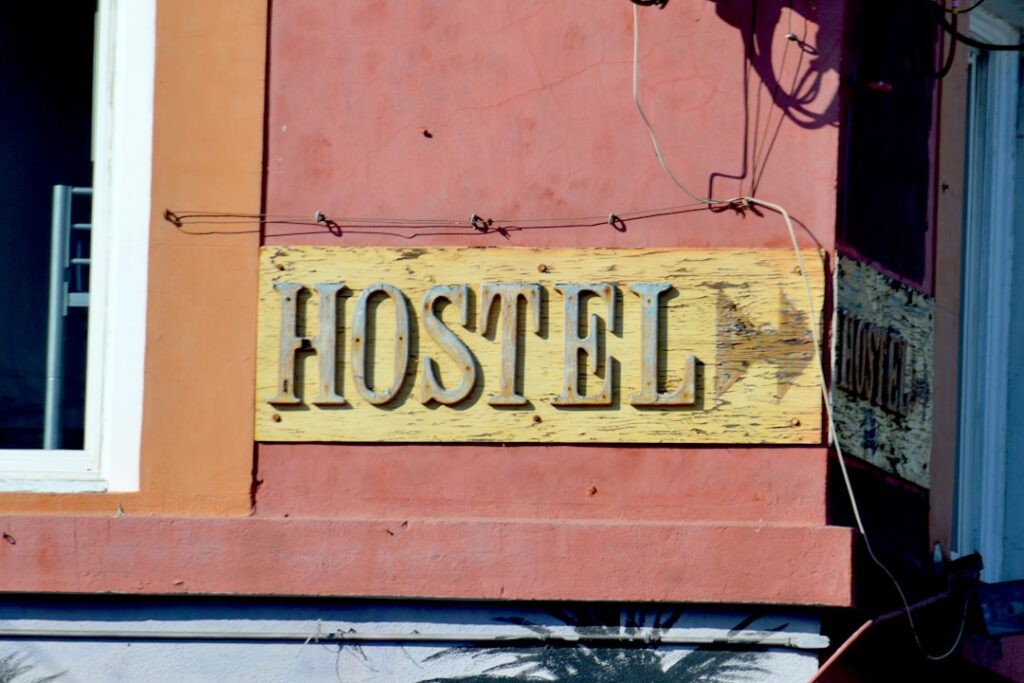
Finding Temporary Accommodation for Your First Weeks in Germany
Arriving in Germany to begin your studies is exciting, but finding long-term housing can take time. That’s why securing temporary accommodation for your first weeks in Germany is crucial. This gives you a base to explore the city, attend university orientations, and search for permanent housing without pressure.
This guide will walk you through your temporary housing options: hostels, youth hostels (Jugendherbergen), and short-term rentals. We’ll also cover tips to make your search easier.
Hostels: A Budget-Friendly Option
Hostels are a popular choice, especially if you’re on a tight budget. They offer dorm-style rooms, shared bathrooms, and communal areas. Many hostels in Germany also provide private rooms for a slightly higher price. Hostels are a great way to meet other travelers and students during your initial arrival.
Benefits of Hostels:
- Affordable: Generally the cheapest option.
- Social: Great for meeting new people.
- Convenient: Usually located in central areas with good transport links.
Things to Consider:
- Privacy: Limited privacy in dorm rooms.
- Noise: Can be noisy, especially during peak season.
- Amenities: Limited amenities compared to other options.
Youth Hostels (Jugendherbergen): A Step Up from Hostels
Youth hostels, or Jugendherbergen, are similar to hostels but often have a more structured and family-friendly atmosphere. They are part of a network, and while open to everyone, they often cater to younger travelers, students, and families. A membership might be required or offer discounted rates. They can provide a quieter environment than a typical hostel.
Key Features of Youth Hostels:
- Cleanliness: Generally cleaner and better maintained than standard hostels.
- Security: Often have stricter security measures.
- Amenities: May include meals, laundry facilities, and common rooms.
Short-Term Rentals: Comfort and Independence
Short-term rentals, such as apartments or studios offered on platforms like Airbnb or through local agencies, provide more privacy and independence. These are ideal if you prefer a more comfortable and self-sufficient living space during your first weeks. This option is usually costlier than hostels.
Advantages of Short-Term Rentals:
- Privacy: Enjoy your own space and bathroom.
- Amenities: Fully equipped kitchen and living area.
- Flexibility: Cook your own meals and have guests over.
Potential Drawbacks:
- Cost: More expensive than hostels or youth hostels.
- Availability: Can be harder to find in popular student cities.
- Contracts: Be sure to understand the rental agreement.
Tips for Finding and Booking Temporary Stays
Finding the right temporary accommodation requires some planning. Here are some tips to help you:
- Book in Advance: Especially during peak seasons (start and end of semesters), book your accommodation well in advance.
- Read Reviews: Check online reviews to get an idea of the quality and location of the accommodation.
- Consider Location: Choose accommodation close to the university or with good public transport connections.
- Check Amenities: Make sure the accommodation has the amenities you-need" class="text-[#dd0000] underline underline-offset-2 hover:text-[#bb0000] transition-colors">you need (Wi-Fi, laundry, etc.).
- Compare Prices: Don’t settle for the first option you find. Compare prices across different platforms and providers.
Start Your Accommodation Search Early
Finding temporary accommodation for your first weeks in Germany is a vital step in preparing for your studies. By researching your options, booking in advance, and considering your budget and preferences, you can ensure a smooth and stress-free arrival. Good luck with your studies!
Frequently Asked Questions
Quick answers to the most common questions readers ask.
How far in advance should I book temporary accommodation?+
It’s best to book as early as possible, especially if you’re arriving during peak season (e.g., the start of a semester). Aim to book at least 1-2 months in advance to secure your preferred location and price.
Are there any websites specifically for student accommodation in Germany?+
While not exclusively for temporary stays, websites like WG-Gesucht and Studenten-WG sometimes have short-term options or sublets available. Also, check university websites for accommodation listings and forums.
What documents do I need to book a short-term rental apartment?+
Typically, you’ll need a copy of your passport or ID, proof of enrollment at the university (if available), and possibly a deposit. The specific requirements vary depending on the landlord or rental agency, so always confirm beforehand.
Turn this guide into an application plan
Use German Path to search programs, build your CV, draft motivation letters, and unlock Pro features when you need more AI credits.
Never miss a German application deadline
Get the intake calendar for winter and summer semesters — every major deadline, in one email. Free, no account needed.
No spam. Unsubscribe any time.